
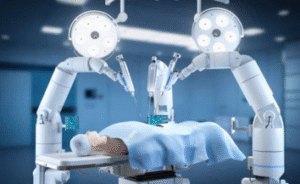
Robotic minimally invasive surgery represents a significant advancement in modern medical care. It allows surgeons to perform complex procedures with greater precision, smaller incisions, and improved control, using advanced robotic systems operated by highly trained specialists.
Over the last decade, India has emerged as a leading destination for robotic surgery due to its advanced hospital infrastructure, internationally trained surgeons, and comparatively affordable treatment costs. Today, robotic-assisted procedures are widely used across multiple specialties, including oncology, urology, gynecology, cardiothoracic surgery, and gastrointestinal care.
What Is Robotic Surgery?
Robotic surgery is a form of minimally invasive surgery in which surgeons use a robotic system to perform procedures through small incisions. The robotic arms replicate the surgeon’s hand movements with high accuracy, while a high-definition 3D camera provides enhanced visualization of the surgical area.
It is important to note that the robot does not operate independently—all movements are fully controlled by a qualified surgeon. The technology enhances surgical precision but does not replace clinical expertise.
Cost of Robotic Surgery in India
The cost of robotic surgery in India typically ranges from USD 2,000 to USD 7,000 or more, depending on the type of procedure, complexity, and hospital selection.
Average Cost of Robotic Surgeries in India
| Type of Robotic Surgery | Approx. Cost (INR) | Approx. Cost (USD) |
| Robotic Prostate Surgery | ₹2,50,000 – ₹4,50,000 | $3,000 – $5,500 |
| Robotic Kidney Surgery | ₹2,00,000 – ₹4,00,000 | $2,400 – $5,000 |
| Robotic Gynecological Surgery | ₹2,00,000 – ₹3,50,000 | $2,400 – $4,300 |
| Robotic Heart Surgery | ₹3,00,000 – ₹6,00,000 | $3,600 – $7,200 |
| Robotic Colorectal Surgery | ₹2,50,000 – ₹4,50,000 | $3,000 – $5,500 |
| Robotic Thoracic Surgery | ₹3,00,000 – ₹5,50,000 | $3,600 – $6,600 |
Costs are indicative and may vary based on clinical evaluation, hospital policies, and post-operative care requirements.
Key Factors That Influence Robotic Surgery Cost in India
Several clinical and non-clinical factors determine the overall cost:
- Type and Complexity of Surgery
More complex procedures, such as cardiac or oncological surgeries, typically cost more than routine robotic procedures. - Hospital Infrastructure
Hospitals equipped with advanced robotic platforms and comprehensive ICU support may charge higher fees. - Surgeon’s Expertise
Surgeons with extensive experience in robotic techniques often command higher professional fees. - Technology Used
Advanced systems such as the da Vinci Surgical System add to procedural costs due to equipment and maintenance expenses. - Patient’s Medical Condition
Advanced disease stage, additional diagnostic tests, longer hospitalization, or complications can increase overall expenses.
Success Rates of Robotic Surgery
Robotic-assisted surgeries generally demonstrate high success rates, particularly in urology, gynecology, and selected cancer procedures. The improved visualization and precision help reduce blood loss, minimize complications, and support faster recovery when performed in appropriate cases by experienced surgical teams.
Outcomes vary based on:
- Patient health status
- Disease stage
- Surgical expertise
- Post-operative care and rehabilitation
Medical Conditions Treated Using Robotic Surgery in India
Robotic surgery is widely used across multiple specialties:
Cancer Treatment
Robotic systems enable precise tumor removal while preserving surrounding healthy tissue. Common applications include:
- Prostate cancer (robotic prostatectomy)
- Kidney cancer (partial or total nephrectomy)
- Lung cancer (robotic-assisted thoracic surgery)
- Colorectal and stomach cancers
Gynecology
Used for:
- Endometriosis
- Uterine fibroids
- Hysterectomy
- Ovarian cyst and cancer surgeries
Urology
Common robotic procedures include:
- Prostatectomy
- Pyeloplasty
- Bladder reconstruction
- Treatment of urinary incontinence
Gastrointestinal & Hepatobiliary Surgery
Includes:
- Gastric bypass for obesity
- Liver resections
- Pancreatic surgeries
Cardiothoracic Surgery
Robotic techniques are used in selected cases for:
- Mitral valve repair
- Coronary artery bypass procedures
- Thoracic tumor removal
Orthopedics
Robotic assistance supports:
- Knee and hip joint replacement
- Selected spinal surgeries
Pre-Operative Care for Robotic Surgery
Proper preparation helps reduce surgical risks:
- Comprehensive medical evaluation and diagnostic tests
- Review of medical history and medications
- Temporary adjustment of blood thinners or specific drugs
- Fasting instructions before surgery
- Psychological counseling or reassurance when needed
The surgical team explains the procedure, benefits, risks, and recovery expectations before obtaining informed consent.
Post-Operative Care and Recovery
Recovery after robotic surgery is often smoother compared to open surgery, but careful monitoring is essential.
Immediate Post-Surgery Care
- Vital signs monitored in recovery room
- Observation for anesthesia-related effects
Pain Management
- Usually mild due to smaller incisions
- Managed with prescribed pain medication
Early Mobilization
- Patients are encouraged to walk early
- Helps prevent blood clots and supports faster recovery
Diet and Wound Care
- Gradual return from liquids to solid food
- Proper incision care to prevent infection
Follow-Up and Rehabilitation
- Scheduled follow-up visits
- Physical therapy if required
- Emotional and psychological support when needed
Why Choose India for Robotic Surgery?
Patients choose India for robotic surgery due to:
- Availability of advanced robotic surgical systems
- Highly experienced and internationally trained surgeons
- Modern hospitals with global accreditation
- Shorter waiting times
- Cost-effective treatment without compromising safety
- Established medical tourism support services
How Sanjivani Care Supports Robotic Surgery Patients in India
Sanjivani Care is a medical tourism and healthcare facilitation company that assists patients seeking robotic surgery in India by:
- Connecting patients with suitable hospitals and experienced robotic surgeons
- Coordinating medical consultations and treatment planning
- Supporting international patients with travel, medical visas, accommodation, and logistics
- Providing transparent guidance on treatment options and estimated costs
- Assisting with follow-up coordination and continuity of care
Sanjivani Care’s role is supportive and coordination-focused, while all clinical decisions and procedures are handled by licensed medical professionals.
Medical Disclaimer
This content is intended for informational purposes only and does not substitute professional medical advice. The suitability, risks, outcomes, and costs of robotic surgery vary by individual. Patients should consult qualified healthcare professionals for personalized diagnosis and treatment recommendations.