
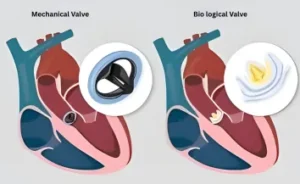
The heart plays a vital role in maintaining circulation throughout the body, and its valves ensure blood flows in the correct direction through the heart chambers. When one or more heart valves become damaged due to aging, infection, congenital conditions, or calcification, normal blood flow can be disrupted. In advanced cases, heart valve replacement surgery becomes necessary to restore effective cardiac function and prevent serious complications.
India has become a trusted destination for heart valve replacement, offering advanced cardiac care, experienced surgeons, and cost-effective treatment options for both domestic and international patients.
Cost of Heart Valve Replacement in India
The cost of heart valve replacement surgery in India generally ranges between USD 3,000 and USD 6,000 or higher, depending on the valve type, surgical approach, hospital infrastructure, and patient-specific medical factors.
Compared to many Western countries, India offers significantly lower costs while maintaining internationally accepted standards of cardiac care.
City-Wise Heart Valve Replacement Cost in India
| City | Cost Range (INR) | Cost Range (USD) | Key Notes |
| Delhi | ₹3,00,000 – ₹5,00,000 | $3,600 – $6,000 | Advanced hospitals and senior cardiac specialists |
| Mumbai | ₹3,50,000 – ₹6,00,000 | $4,200 – $7,200 | Premium cardiac centers |
| Bangalore | ₹2,50,000 – ₹4,50,000 | $3,000 – $5,400 | Modern facilities at relatively lower cost |
| Chennai | ₹2,50,000 – ₹4,00,000 | $3,000 – $4,800 | Known for cardiac care expertise |
| Hyderabad | ₹2,00,000 – ₹4,00,000 | $2,400 – $4,800 | Affordable options with skilled surgeons |
| Kolkata | ₹1,80,000 – ₹3,50,000 | $2,200 – $4,200 | Cost-effective cardiac treatment |
Costs are indicative and may vary based on clinical evaluation and post-operative needs.
Factors Affecting the Cost of Heart Valve Replacement
Several medical and logistical factors influence the overall treatment cost:
- Type of Valve Used
Mechanical valves typically cost more but offer long durability, while biological valves are less expensive initially but may require replacement in the future. - Surgical Technique
Minimally invasive procedures, such as Transcatheter Aortic Valve Replacement (TAVR), usually involve higher costs than conventional open-heart surgery. - Hospital Location and Facilities
Metropolitan hospitals and internationally accredited centers may charge higher fees. - Surgeon’s Experience
Highly experienced cardiac surgeons often have higher professional charges. - Post-Operative Care
ICU stay, medications, rehabilitation, and follow-up consultations contribute to total expenses.
What Is Heart Valve Replacement?
Heart valve replacement is a surgical procedure performed when a damaged valve can no longer be repaired. The diseased valve is removed and replaced with an artificial or biological valve to restore normal blood circulation.
Major Heart Valves
- Aortic Valve – Regulates blood flow from the heart to the body
- Mitral Valve – Controls blood flow between left heart chambers
- Tricuspid Valve – Manages blood flow on the right side of the heart
- Pulmonary Valve – Directs blood toward the lungs
Valve disorders can lead to narrowing (stenosis) or leakage (regurgitation), placing excess strain on the heart.
Types of Heart Valve Replacement
Mechanical Valves
- Made from durable materials such as titanium or carbon
- Long lifespan (20–30 years or more)
- Require lifelong anticoagulant medication
- Often recommended for younger patients
Biological (Tissue) Valves
- Derived from animal or human donor tissue
- Usually do not require long-term blood thinners
- Lifespan of approximately 10–15 years
- Commonly chosen for older patients
Transcatheter Valves (TAVR/TAVI)
- Used in minimally invasive procedures
- Suitable for elderly or high-risk patients
- Faster recovery and reduced surgical trauma
When Is Heart Valve Replacement Recommended?
Doctors may recommend valve replacement in cases such as:
- Severe valve stenosis or regurgitation
- Congenital heart valve defects
- Infective endocarditis causing valve damage
- Advanced calcification of valve tissues
- Worsening symptoms despite medication
Timely intervention can prevent heart failure and improve long-term outcomes.
Heart Valve Replacement Procedure
Pre-Surgical Preparation
- Diagnostic tests (echocardiogram, blood tests, imaging)
- Medication review and adjustments
- Fasting before surgery
- Detailed counseling regarding risks and recovery
Surgical Approaches
Open-Heart Surgery
- Traditional method with chest incision
- Heart-lung machine supports circulation
- Suitable for complex valve conditions
Minimally Invasive Techniques
- Smaller incisions or catheter-based access
- Includes robotic surgery and TAVR
- Reduced pain and shorter recovery time
Recovery and Post-Operative Care
- ICU monitoring: First 24–48 hours
- Hospital stay: Usually 5–10 days
- Home recovery: Several weeks with gradual activity increase
Post-surgery care focuses on:
- Medication adherence
- Cardiac rehabilitation
- Heart-healthy diet and lifestyle changes
- Regular follow-up evaluations
Why Choose India for Heart Valve Replacement?
India offers several advantages:
- Advanced cardiac hospitals with global accreditation
- Highly experienced cardiologists and cardiac surgeons
- Access to modern surgical and transcatheter technologies
- Significantly lower treatment costs compared to Western countries
- Established medical tourism infrastructure
How Sanjivani Care Supports Heart Valve Replacement Patients
Sanjivani Care is a medical tourism and healthcare facilitation company that assists patients seeking heart valve replacement in India by:
- Connecting patients with suitable cardiac hospitals and specialists
- Coordinating medical evaluations and treatment planning
- Assisting international patients with travel, visas, and accommodation
- Offering transparent guidance on procedures and expected costs
- Supporting post-treatment follow-up coordination
Sanjivani Care’s role is patient support and coordination, while all medical decisions and surgeries are performed by licensed healthcare professionals.
Medical Disclaimer
This content is intended for informational purposes only and does not replace professional medical advice. Treatment suitability, risks, outcomes, and costs vary by individual. Patients should consult qualified cardiologists for personalized diagnosis and treatment planning.