
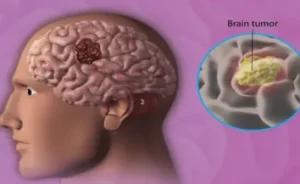
The brain is one of the most vital and complex organs in the human body, responsible for regulating movement, cognition, emotions, and essential life functions. When a brain tumor develops—whether benign or malignant—it can interfere with these critical processes by compressing surrounding brain tissue or disrupting normal neural activity. As a result, timely diagnosis and appropriate treatment become essential.
Surgery is often the primary treatment for many brain tumors, aiming to remove as much of the tumor as safely possible while preserving neurological function. In India, neurosurgical care has advanced significantly, with the adoption of minimally invasive techniques, image-guided navigation, and precision radiation therapies. These advancements, combined with cost-effective care, have positioned India as a preferred destination for brain tumor treatment.
Brain Tumor Surgery Cost in India
The cost of brain tumor surgery in India generally ranges from USD 4,500 to USD 9,000, though it may increase depending on tumor complexity, surgical approach, and the need for additional therapies.
Approximate Cost of Brain Tumor Treatments in India
| Treatment / Procedure | Cost (INR) | Cost (USD) |
| Neuroendoscopy | ₹55,000 – ₹1,50,000 | $660 – $1,810 |
| Gamma Knife Surgery | ₹1,00,000 – ₹2,50,000 | $1,200 – $3,000 |
| CyberKnife | ₹3,00,000 – ₹15,00,000 | $3,600 – $18,000 |
| Proton Therapy | ₹10,00,000 – ₹25,00,000 | $12,000 – $30,000 |
| Targeted Drug Therapy | ₹1,00,000 – ₹2,50,000 | $1,200 – $3,000 |
| Craniotomy | ₹2,50,000 – ₹8,00,000 | $3,000 – $9,600 |
Actual costs vary based on tumor type, hospital infrastructure, and post-operative care requirements.
Factors That Influence Brain Tumor Surgery Cost in India
Several medical and logistical elements affect overall treatment expenses:
- Tumor Type and Stage: Size, location, and whether the tumor is benign or malignant
- Treatment Modality: Surgery alone or combined with radiation, chemotherapy, or targeted therapy
- Diagnostic Requirements: MRI, CT scans, PET scans, angiography, and biopsies
- Technology Used: Robotic surgery, stereotactic radiosurgery, or proton therapy
- Hospital Selection: Private vs. multispecialty or internationally accredited hospitals
- Hospital Stay Duration: Extended ICU or ward stays increase overall costs
Additional Medical Services That May Affect Cost
Beyond surgery, other services may contribute to total expenses:
- Specialist consultations (neurosurgeons, oncologists, radiologists)
- Repeated diagnostic imaging and lab tests
- Management of surgical or treatment-related complications
- Rehabilitation and supportive therapies
Transparent treatment planning helps patients anticipate these costs in advance.
Types of Brain Tumor Surgery Performed in India
India offers a wide range of advanced neurosurgical options:
Neuroendoscopy
A minimally invasive approach using an endoscope to access and remove tumors through small openings or natural pathways such as the nasal cavity.
Gamma Knife Surgery
A non-invasive radiosurgery technique that delivers focused radiation to stop tumor growth without incisions.
CyberKnife
A robotic radiation system that provides high precision with real-time tracking, often performed as an outpatient procedure.
Proton Therapy
Uses proton beams instead of traditional X-rays, reducing radiation exposure to healthy brain tissue—especially beneficial for pediatric and complex cases.
Targeted Drug Therapy
Personalized treatments designed to act on specific molecular or genetic tumor markers.
Craniotomy
A conventional surgical method involving temporary removal of a portion of the skull to access and remove the tumor.
How Brain Tumor Surgery Is Planned and Performed
Before surgery, patients undergo detailed evaluation to ensure precise treatment planning:
Pre-Surgical Evaluation
- MRI and CT Scans: High-resolution imaging for tumor localization
- Angiography: To assess blood vessels near the tumor
- Neurological Assessment: Evaluates cognitive and motor function
In some cases, image-guided navigation systems are used. Small reference markers placed on the scalp help surgeons navigate the brain accurately during surgery—similar to a GPS system—minimizing risk to critical areas.
Patients also receive guidance on medication adjustments, fasting, and other pre-operative preparations.
Post-Surgery Recovery and Care
After surgery, patients are typically monitored in a neuro-critical care unit (NCCU) for the first 24 hours. Once stable, recovery continues in a neurosurgical ward.
- Early mobilization usually begins within a day
- Pain is generally manageable with prescribed medications
- IV lines and monitoring devices are removed as recovery progresses
- Discharge instructions include activity guidelines, diet, and follow-up schedules
Rehabilitation, when needed, plays a crucial role in long-term recovery.
Success Outcomes of Brain Tumor Surgery in India
Surgical outcomes depend on tumor type, size, location, and overall patient health:
- Benign tumors (e.g., meningiomas): Often achieve high surgical success rates
- Malignant or complex tumors: Focus on symptom control, survival extension, and quality of life
Post-operative therapies such as radiation or chemotherapy significantly influence long-term outcomes.
Why Choose India for Brain Tumor Treatment?
India offers several advantages for patients seeking brain tumor care:
- Highly experienced neurosurgeons and oncologists
- Advanced surgical and radiation technologies
- Multidisciplinary cancer care teams
- Cost-effective treatment compared to many Western countries
- Comprehensive support for international patients
How Sanjivani Care Supports Brain Tumor Patients in India
Sanjivani Care is a trusted medical tourism and healthcare facilitation company in India that assists patients seeking brain tumor treatment with clarity and compassion.
Their support includes:
- Coordinating consultations with experienced neurosurgeons and oncology centers
- Helping patients understand diagnostic findings and treatment options
- Assisting international patients with travel, accommodation, and hospital coordination
- Supporting continuity of care before and after treatment
Sanjivani Care emphasizes ethical guidance, transparency, and patient-centered coordination—without making unrealistic promises or guarantees.
Medical Disclaimer
This content is intended for informational purposes only and does not replace professional medical advice. Brain tumor treatment outcomes vary depending on individual medical conditions. Always consult a qualified neurosurgeon or oncologist for personalized evaluation and treatment planning.