
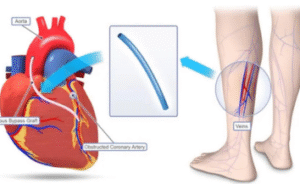
Bypass surgery, medically known as Coronary Artery Bypass Graft (CABG) surgery, is a well-established cardiac procedure performed to restore adequate blood flow to the heart muscle when coronary arteries become severely narrowed or blocked.
India has emerged as a preferred destination for bypass surgery due to its experienced cardiac surgeons, advanced medical infrastructure, and significantly lower treatment costs, while adhering to internationally accepted healthcare standards.
What Is the Cost of Bypass Surgery in India?
The cost of bypass surgery in India generally ranges from USD 3,000 to USD 7,000 or more, depending on the hospital category, number of bypass grafts required, and patient-specific medical needs.
Bypass Surgery Cost by Hospital Type
| Hospital Category | Cost (INR) | Cost (USD) |
| Government Hospitals | ₹1,50,000 – ₹2,50,000 | $1,800 – $3,000 |
| Private Multi-Specialty Hospitals | ₹3,00,000 – ₹5,00,000 | $3,600 – $6,000 |
| Premium / International Hospitals | ₹4,00,000 – ₹7,00,000 | $4,000 – $8,500 |
Costs are indicative and may vary based on clinical complexity and post-operative care requirements.
Cost Comparison: India vs Other Countries
India offers bypass surgery at a fraction of the cost charged in many developed nations, without compromising procedural safety or clinical expertise.
| Country | Average CABG Cost (USD) |
| India | 3,000 – 7,000 |
| United States | 40,000 – 60,000 |
| United Kingdom | 20,000 – 30,000 |
| Australia | 22,000 – 35,000 |
| Singapore | 18,000 – 25,000 |
| Germany | 25,000 – 40,000 |
Key Insights
- Patients can save 70–90% on bypass surgery costs by choosing India
- Access to modern cardiac ICUs and high-volume cardiac centers
- Shorter waiting times compared to many Western healthcare systems
Factors That Influence Bypass Surgery Cost in India
Several medical and logistical factors affect the final cost:
- Type of Hospital – Government, private, or premium cardiac centers
- Surgeon’s Experience – Senior cardiothoracic surgeons may charge higher professional fees
- Number of Grafts – Single, double, triple, or quadruple bypass
- Patient’s Overall Health – Conditions such as diabetes or kidney disease may increase care needs
- ICU Stay and Recovery Duration
- Medical Tourism Packages – May include accommodation, transfers, and follow-up care
Despite these variables, bypass surgery in India remains highly cost-effective.
What Is Coronary Artery Bypass Surgery (CABG)?
Coronary artery bypass surgery is performed to treat coronary artery disease (CAD), a condition caused by the buildup of plaque inside coronary arteries. This buildup restricts blood flow to the heart, leading to symptoms such as:
- Chest pain (angina)
- Shortness of breath
- Fatigue
- Increased risk of heart attack
During CABG, a healthy blood vessel—commonly taken from the leg, chest, or arm—is used to create a new route around the blocked artery, restoring normal blood flow to the heart muscle.
Why Is Bypass Surgery Recommended?
CABG is advised when coronary artery blockages cannot be managed effectively with medication or minimally invasive procedures.
Common Indications for CABG
- Severe or widespread coronary artery disease
- Blockages in multiple coronary arteries
- Recurrent chest pain or repeated heart attacks
- Failed angioplasty or stent placement
- Left main coronary artery disease
Benefits of Bypass Surgery
When medically indicated, CABG may offer:
- Significant relief from chest pain and breathlessness
- Reduced risk of future heart attacks
- Improved heart muscle function
- Better exercise tolerance
- Enhanced quality of life and long-term survival
Outcomes depend on timely surgery, surgeon expertise, and adherence to lifestyle modifications after treatment.
How Is Bypass Surgery Performed?
CABG is a complex procedure performed under general anesthesia.
Key Steps Involved
- Administration of anesthesia
- Chest incision to access the heart
- Harvesting of healthy blood vessels (grafts)
- Creation of bypass routes around blocked arteries
- Restarting and stabilizing heart function
- Closure of the chest and transfer to ICU
The surgery may be performed on-pump (using a heart-lung machine) or off-pump (on a beating heart), depending on patient suitability.
Recovery After Bypass Surgery
Recovery is gradual and closely monitored.
- Hospital stay: 5–7 days
- Initial recovery: 2–3 weeks
- Complete recovery: 6–12 weeks
Post-Surgery Care Includes
- Cardiac rehabilitation programs
- Supervised physical activity
- Heart-healthy diet planning
- Medication adherence
- Stress management and lifestyle counseling
Why Choose India for Bypass Surgery?
Patients choose India for CABG due to:
- Highly skilled and internationally trained cardiac surgeons
- Modern cardiac operation theaters and ICUs
- Availability of advanced techniques including off-pump CABG
- Affordable costs without compromising safety
- Well-developed infrastructure for international patients
How Sanjivani Care Supports Bypass Surgery Patients in India
Sanjivani Care is a medical tourism and healthcare facilitation company that assists patients seeking bypass surgery in India by:
- Helping patients identify suitable cardiac hospitals and specialists
- Coordinating medical evaluations and treatment planning
- Assisting international patients with medical visas, travel, and accommodation
- Providing transparent guidance on treatment pathways and cost expectations
- Supporting follow-up care coordination after surgery
Sanjivani Care focuses on patient support and coordination, while all medical decisions and procedures are carried out by licensed cardiologists and cardiac surgeons.
Medical Disclaimer
This content is intended for informational purposes only and does not replace professional medical advice. Bypass surgery suitability, risks, outcomes, and costs vary based on individual medical conditions. Patients should consult qualified cardiologists for personalized diagnosis and treatment planning.