
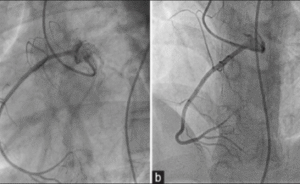
Coronary angiography is a widely used diagnostic heart procedure that helps doctors assess blood flow through the coronary arteries. It plays a critical role in identifying blockages, narrowing, or abnormalities that may lead to serious cardiac conditions such as coronary artery disease (CAD).
India is considered a preferred destination for coronary angiography due to its affordable costs, modern cardiac imaging facilities, and experienced cardiologists, making it accessible to both domestic and international patients.
What Is the Cost of Coronary Angiography in India?
The average cost of coronary angiography in India typically ranges between USD 300 and USD 600, depending on several clinical and non-clinical factors. The final expense may vary based on hospital type, city, imaging technique used, and the patient’s medical condition.
Coronary Angiography Cost in Major Indian Cities
The cost of coronary angiography differs across Indian cities due to variations in hospital infrastructure, availability of advanced imaging technology, and specialist expertise.
| City | Cost Range (INR) | Cost Range (USD) |
| Delhi | ₹15,000 – ₹40,000 | $180 – $480 |
| Mumbai | ₹18,000 – ₹50,000 | $220 – $600 |
| Bangalore | ₹12,000 – ₹35,000 | $145 – $420 |
| Chennai | ₹12,000 – ₹30,000 | $145 – $360 |
| Hyderabad | ₹10,000 – ₹28,000 | $120 – $340 |
| Kolkata | ₹8,000 – ₹25,000 | $100 – $300 |
| Pune | ₹12,000 – ₹35,000 | $145 – $420 |
| Ahmedabad | ₹10,000 – ₹30,000 | $120 – $360 |
| Jaipur | ₹10,000 – ₹25,000 | $120 – $300 |
| Lucknow | ₹8,000 – ₹20,000 | $100 – $240 |
Cost Insights
- Metro cities may charge more due to advanced facilities and senior specialists
- Tier-2 cities often provide more budget-friendly options without compromising care quality
- Basic procedure costs usually include imaging and standard hospital charges
Factors Affecting Coronary Angiography Cost in India
Several variables influence the overall cost of the procedure:
1. Hospital Location and Infrastructure
Hospitals in metropolitan areas or internationally accredited centers generally have higher pricing due to advanced imaging systems and cardiac ICUs.
2. Type of Angiography Performed
- Conventional (Catheter-Based) Angiography – Typically lower cost
- CT Coronary Angiography – Slightly higher due to advanced imaging technology
3. Cardiologist’s Experience
Senior or highly specialized cardiologists may charge higher professional fees.
4. Diagnostic Tests and Pre-Procedure Evaluation
Tests such as ECG, echocardiography, blood investigations, and stress tests may add to the total expense.
5. Patient’s Overall Health
Patients with diabetes, kidney disease, or other cardiac risk factors may require additional monitoring.
6. Post-Procedure Observation
Extended recovery monitoring, medications, or follow-up consultations can impact the final cost.
What Is Coronary Angiography?
Coronary angiography is a minimally invasive imaging test that uses X-ray technology and contrast dye to visualize the coronary arteries. The procedure helps cardiologists detect blockages or narrowing that may restrict blood flow to the heart muscle.
Why Is Coronary Angiography Recommended?
Doctors may recommend coronary angiography to:
- Confirm or rule out coronary artery disease
- Investigate unexplained chest pain or shortness of breath
- Evaluate abnormal stress test results
- Plan further treatments such as angioplasty or bypass surgery
- Assess the outcome of previous cardiac interventions
Symptoms That May Indicate the Need for Angiography
A cardiologist may advise angiography if a patient experiences:
- Persistent or recurring chest pain (angina)
- Breathlessness during routine activity
- Irregular heartbeats or palpitations
- Dizziness or fainting episodes
- Unexplained fatigue
Early evaluation is essential to prevent serious cardiac complications.
How Is Coronary Angiography Performed?
Step-by-Step Overview
- Preparation: Patient admission, vital monitoring, and IV access
- Local Anesthesia: Applied at the catheter insertion site (arm or groin)
- Catheter Placement: A thin catheter is guided to the coronary arteries
- Contrast Injection: Dye highlights the arteries on live X-ray imaging
- Imaging: Detailed images reveal blockages or abnormalities
- Completion: Catheter removal and bandaging
The procedure usually takes 30 to 60 minutes and is performed under continuous medical supervision.
Recovery and Aftercare
Immediate Post-Procedure Care
- Observation in recovery area for a few hours
- Hydration to flush out contrast dye
- Mild discomfort at insertion site is common
Home Care Guidelines
- Avoid strenuous activity for 24–48 hours
- Keep the insertion site clean and dry
- Follow medication instructions carefully
- Attend scheduled follow-up consultations
Long-term heart health depends on lifestyle changes and medical guidance.
Why Choose India for Coronary Angiography?
India offers several advantages for cardiac diagnostics:
- Experienced cardiologists and cardiac imaging specialists
- Modern catheterization labs and CT imaging facilities
- Affordable diagnostic costs compared to many countries
- Minimal waiting time for procedures
- Established support ecosystem for international patients
How Sanjivani Care Assists Patients Seeking Coronary Angiography in India
Sanjivani Care is a healthcare facilitation and medical tourism support company that assists patients undergoing coronary angiography in India by:
- Helping patients connect with appropriate cardiac hospitals and specialists
- Coordinating medical reports, appointments, and treatment planning
- Assisting international patients with travel, visas, and accommodation
- Offering transparent guidance on diagnostic pathways and expected costs
- Supporting post-procedure coordination and follow-up planning
Sanjivani Care focuses on patient coordination and logistical support, while all diagnostic procedures are conducted by licensed cardiologists and accredited hospitals.
Medical Disclaimer
This information is intended for educational purposes only and should not be considered a substitute for professional medical advice. The need for coronary angiography, associated risks, and costs vary by individual. Always consult a qualified cardiologist for personalized evaluation and treatment decisions.