
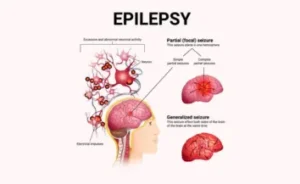
Epilepsy is a chronic neurological condition marked by recurrent seizures caused by abnormal electrical activity in the brain. It affects individuals of all ages and can significantly interfere with education, employment, independence, and overall quality of life. While many patients achieve good seizure control with medication, a subset continues to experience seizures despite optimal medical therapy. For these individuals, epilepsy surgery may be a clinically appropriate option.
India has become a recognized destination for epilepsy evaluation and surgical treatment, offering advanced neurological care, experienced specialists, and comparatively affordable costs. This guide explains epilepsy surgery costs in India, available procedures, factors influencing expenses, and what patients and families should know before considering treatment.
Epilepsy Surgery Cost in India
The cost of epilepsy surgery in India typically starts at USD 2,500 and can extend to USD 15,000 or more, depending on the type of surgery, diagnostic complexity, and post-operative care requirements.
Approximate Cost of Epilepsy Surgery in India
| Type of Surgery / Procedure | Cost (INR) | Cost (USD) |
| Resective Surgery (Temporal Lobectomy, Lesionectomy) | ₹4,00,000 – ₹10,00,000 | $5,000 – $12,000 |
| Hemispherectomy | ₹6,00,000 – ₹15,00,000 | $8,000 – $18,000 |
| Multiple Subpial Transection (MST) | ₹5,00,000 – ₹15,00,000 | $6,000 – $19,000 |
| Vagus Nerve Stimulation (VNS) | ₹6,00,000 – ₹10,50,000+ | $8,500 – $15,000 |
| Standard Epilepsy Surgery (Basic Resective Procedures) | ₹2,00,000 – ₹5,00,000 | $2,500 – $6,000 |
Costs vary based on diagnostic work-up, hospital infrastructure, and individual medical needs.
Factors That Influence the Cost of Epilepsy Treatment in India
Several medical and logistical factors can affect overall treatment expenses:
- Hospital Location: Major metropolitan cities may have higher costs than tier-2 or tier-3 cities.
- Type of Treatment: Advanced neuromodulation procedures like VNS or RNS are typically more expensive than standard resective surgeries.
- Extent of Evaluation: Long-term EEG monitoring, MRI, PET scans, and neuropsychological testing add to costs.
- Hospital Infrastructure: Internationally accredited hospitals may charge more due to advanced technology and multidisciplinary care.
- Patient’s Clinical Condition: Severity, seizure type, and coexisting neurological conditions influence treatment planning and cost.
What Is Epilepsy?
Epilepsy is a neurological disorder characterized by recurrent, unprovoked seizures. These seizures result from abnormal electrical signals in the brain and may vary in frequency and intensity. While epilepsy can be lifelong, many individuals manage their condition effectively with the right medical approach.
India has developed strong capabilities in epilepsy care, offering comprehensive services that range from medication management to advanced surgical interventions in specialized neuroscience centers.
Causes and Risk Factors of Epilepsy
Epilepsy may develop due to multiple underlying causes, including:
- Genetic Predisposition: Some forms of epilepsy are inherited.
- Brain Injury: Trauma from accidents or falls can lead to seizure disorders.
- Stroke: Disrupted blood supply to the brain increases seizure risk.
- Infections: Conditions such as meningitis, encephalitis, or neurocysticercosis.
- Brain Tumors: Structural abnormalities affecting brain function.
- Developmental Disorders: Autism spectrum disorders and neurocutaneous syndromes.
- Triggering Factors: Sleep deprivation, alcohol use, and hormonal changes in susceptible individuals.
Epilepsy in India: A Public Health Perspective
Epilepsy affects an estimated 12 million people in India, making it one of the most prevalent neurological disorders in the country. According to global health data, approximately 1 in 100 individuals in India live with epilepsy, with higher prevalence in rural regions.
Limited awareness, social stigma, and access barriers contribute to delayed diagnosis and treatment. However, growing awareness and advancements in neurological care are steadily improving outcomes.
How Epilepsy Surgery Is Performed
Epilepsy surgery is considered when seizures remain uncontrolled despite appropriate medication. The goal is to reduce or eliminate seizures while preserving neurological function.
Common Surgical Approaches
- Resective Surgery: Removal of seizure-originating brain tissue.
- Laser Ablation: Minimally invasive destruction of seizure focus using laser energy.
- Vagus Nerve Stimulation (VNS): Implantation of a device that modulates brain signals via the vagus nerve.
- Responsive Neurostimulation (RNS): A device that detects abnormal activity and delivers corrective stimulation.
Each surgical option is chosen after detailed evaluation by a multidisciplinary epilepsy team.
Lifestyle and Dietary Support in Epilepsy Management
In addition to medical and surgical care, supportive measures play a role in seizure control:
- Identifying and avoiding seizure triggers
- Maintaining consistent sleep routines
- Stress management techniques
- Ketogenic or modified diets, particularly for pediatric epilepsy (under medical supervision)
- Regular physical activity suited to the patient’s condition
Why Choose India for Epilepsy Surgery?
India offers several advantages for epilepsy treatment:
- Experienced neurologists and neurosurgeons
- Advanced diagnostic and surgical technologies
- Multidisciplinary epilepsy care teams
- Affordable treatment compared to many Western countries
- Growing focus on ethical, patient-centered neurological care
How Sanjivani Care Supports Epilepsy Patients in India
Sanjivani Care is a trusted medical tourism and healthcare facilitation company in India that assists patients seeking epilepsy evaluation and surgical treatment.
Their support includes:
- Coordination with experienced neurologists and neurosurgical centers
- Assistance in understanding diagnostic findings and treatment options
- Hospital selection and treatment planning support
- Travel, accommodation, and care coordination for international patients
- Continued guidance throughout treatment and recovery phases
Sanjivani Care focuses on informed decision-making, transparency, and patient-centric coordination—without making unrealistic claims or guarantees.
Medical Disclaimer
This content is intended for informational purposes only and does not substitute professional medical advice. Epilepsy treatment outcomes vary depending on individual medical factors. Always consult a qualified neurologist or epilepsy specialist for diagnosis and personalized treatment recommendations.