
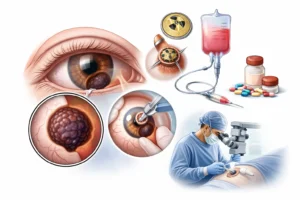
Intraocular melanoma is a rare but serious eye cancer that requires timely diagnosis and carefully planned treatment. India has become a preferred destination for managing this condition due to its combination of advanced medical technology, experienced ocular oncologists, and comparatively affordable treatment costs. Patients from many countries seek care in India for high-quality outcomes without the financial burden often associated with treatment in Western nations.
With the support of trusted healthcare facilitation companies such as Sanjivani Care, international patients can navigate hospital selection, treatment planning, and travel logistics more smoothly, ensuring a well-coordinated and patient-focused experience.
How Much Does Intraocular Melanoma Treatment Cost in India?
The cost of intraocular melanoma treatment in India generally begins around USD 4,000 and may extend up to USD 9,500 or more, depending on the stage of the tumor, treatment approach, hospital choice, and individual patient needs.
Compared with countries like the USA or UK, treatment in India is significantly more cost-effective while maintaining global standards of care.
Types of Intraocular Melanoma Treatment and Estimated Costs
| Treatment Type | Estimated Cost (INR) | Estimated Cost (USD) |
| Enucleation (Eye Removal Surgery) | ₹80,000 – ₹1,50,000 | $950 – $1,800 |
| Plaque Radiotherapy (Brachytherapy) | ₹2,00,000 – ₹5,00,000 | $2,400 – $6,000 |
| External Beam Radiation Therapy (EBRT) | ₹1,50,000 – ₹3,50,000 | $1,800 – $4,200 |
| Proton Beam Therapy | ₹8,00,000 – ₹15,00,000 | $9,600 – $18,000 |
| Laser Therapy (TTT / Photocoagulation) | ₹70,000 – ₹1,50,000 | $850 – $1,800 |
| Cryotherapy | ₹60,000 – ₹1,20,000 | $720 – $1,450 |
| Local Resection Surgery | ₹2,50,000 – ₹5,00,000 | $3,000 – $6,000 |
| Adjuvant Therapy (Chemo/Immunotherapy, if required) | ₹1,50,000 – ₹3,00,000 per cycle | $1,800 – $3,600 per cycle |
Note: Costs are indicative and may vary based on clinical complexity and hospital policies.
Intraocular Melanoma Treatment Cost in India vs Other Countries
| Country | Average Cost (INR) | Average Cost (USD) |
| India | ₹3,50,000 – ₹8,00,000 | $4,200 – $9,600 |
| USA | ₹25,00,000 – ₹60,00,000 | $30,000 – $72,000 |
| UK | ₹20,00,000 – ₹50,00,000 | $24,000 – $60,000 |
| Germany | ₹18,00,000 – ₹45,00,000 | $22,000 – $54,000 |
| Turkey | ₹8,00,000 – ₹20,00,000 | $9,600 – $24,000 |
Factors That Influence Treatment Cost
Several elements determine the final cost of intraocular melanoma treatment in India:
- Type of therapy selected (laser, radiation, surgery, or combined approach)
- Tumor size, location, and stage
- Use of advanced technologies such as proton beam therapy
- Hospital infrastructure and accreditation (NABH/JCI)
- Surgeon and oncology team expertise
- City where treatment is performed
- Length of hospital stay and supportive care needs
- Pre-treatment investigations and diagnostic tests
Leading Hospitals for Intraocular Melanoma Treatment in India
- Apollo Hospitals (Chennai, Delhi, Hyderabad)
- Fortis Memorial Research Institute, Gurugram
- Medanta – The Medicity, Gurugram
- Max Super Specialty Hospital, New Delhi
- Kokilaben Dhirubhai Ambani Hospital, Mumbai
- Artemis Hospital, Gurgaon
- Paras Hospital, Gurgaon
- Marengo Hospitals, Gurgaon
What Is Intraocular Melanoma?
Intraocular melanoma originates from melanocytes—pigment-producing cells located within the eye. Most cases develop in the uveal tract, which includes the choroid, ciliary body, and iris. Although uncommon, this cancer can be aggressive if left untreated and has the potential to spread, particularly to the liver.
Early diagnosis plays a critical role in preserving vision and improving long-term outcomes.
Types of Intraocular Melanoma
Choroidal Melanoma
- Most frequent form
- Arises in the vascular layer beneath the retina
- May cause blurred vision or visual field defects
Ciliary Body Melanoma
- Develops in the structure controlling lens shape and fluid production
- Often detected later due to minimal early symptoms
Iris Melanoma
- Forms in the colored portion of the eye
- Usually visible and detected at an earlier stage
How Is Intraocular Melanoma Diagnosed?
Diagnosis typically involves a combination of ophthalmic examinations and imaging tests:
- Detailed eye examination
- Ultrasound (B-scan)
- Optical Coherence Tomography (OCT)
- Fluorescein angiography
- MRI or CT scan
- Fine-needle aspiration biopsy (when required)
- Genetic or molecular testing
Treatment Options for Intraocular Melanoma
Treatment is personalized based on tumor characteristics and visual function:
- Laser therapy (TTT / photocoagulation)
- Cryotherapy
- Plaque brachytherapy
- External beam radiation therapy
- Proton beam therapy
- Surgical removal of the eye (enucleation)
- Local tumor resection
- Adjuvant chemotherapy or immunotherapy
- Long-term follow-up and monitoring
Why Choose India for Intraocular Melanoma Treatment?
India offers:
- Experienced ocular oncologists and multidisciplinary cancer teams
- Internationally accredited hospitals
- Access to advanced radiation technologies
- Lower treatment costs compared to Western countries
- Shorter waiting periods
Many international patients also benefit from coordinated care support through Sanjivani Care, which assists with hospital selection, medical opinions, treatment scheduling, travel arrangements, accommodation, and post-treatment follow-up—helping patients focus on recovery rather than logistics.
How Sanjivani Care Supports Patients
Sanjivani Care acts as a healthcare facilitation and medical tourism partner in India, helping patients:
- Connect with appropriate specialists and hospitals
- Review treatment plans and cost estimates
- Arrange visas, airport transfers, and accommodation
- Access language support and local assistance
- Coordinate follow-up care after treatment
Their role is to simplify the treatment journey while ensuring ethical, transparent, and patient-centered coordination.
Medical Disclaimer
This content is for informational purposes only and does not replace professional medical advice. Treatment decisions should always be made in consultation with a qualified healthcare provider.