
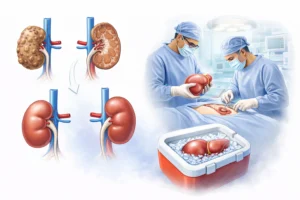
A kidney transplant is a well-established and life-enhancing treatment for individuals with end-stage renal disease (ESRD), where the kidneys are no longer able to perform essential filtering functions. Compared to long-term dialysis, transplantation often offers better survival outcomes, improved energy levels, and a higher quality of life for eligible patients.
India has become a preferred destination for kidney transplantation due to its experienced nephrology teams, advanced surgical infrastructure, ethical transplant regulations, and comparatively affordable treatment costs. This guide explains kidney transplant costs in India, procedure types, influencing factors, and important considerations for patients and families.
What Is the Cost of a Kidney Transplant in India?
The cost of a kidney transplant in India generally ranges from USD 10,000 to USD 18,000, depending on the type of transplant, hospital selection, and patient-specific medical requirements.
Kidney Transplant Cost by Type
| Type of Kidney Transplant | Estimated Cost (USD) |
| Living Donor Transplant | $11,000 – $15,000 |
| Deceased Donor Transplant | $13,800 – $18,200 |
| Pre-emptive Transplant | $12,000 – $16,000 |
These figures usually cover surgery and hospitalization. Additional expenses may apply for medications, diagnostics, and long-term follow-up care.
Kidney Transplant Cost in Major Indian Cities
| City | Approximate Cost (USD) |
| Delhi | $11,000 – $15,000 |
| Mumbai | $13,700 – $18,000 |
| Bengaluru | $11,000 – $15,000 |
| Chennai | $11,000 – $15,000 |
| Hyderabad | $11,000 – $15,000 |
Costs can vary based on hospital infrastructure, surgeon expertise, and post-operative care needs.
Factors That Influence Kidney Transplant Cost in India
Several clinical and logistical factors affect the overall cost of kidney transplantation:
- Type of Transplant: Living donor transplants are generally less expensive than deceased donor transplants due to shorter waiting times and streamlined logistics.
- Hospital Infrastructure: Private multispecialty hospitals with advanced ICUs and transplant units may charge more than government facilities.
- Medical Team Expertise: Experienced transplant surgeons, nephrologists, and multidisciplinary teams influence treatment cost.
- Pre- and Post-Operative Care: Diagnostic tests, donor compatibility evaluations, ICU stay, and follow-up care add to the total expense.
- Legal & Administrative Requirements: Costs related to donor screening, documentation, and compliance with transplant laws.
- Post-Transplant Medications: Lifelong immunosuppressive therapy is a significant ongoing cost.
Transparent treatment planning helps patients anticipate and manage these expenses effectively.
What Is the Success Rate of Kidney Transplantation in India?
Kidney transplantation in India demonstrates strong clinical outcomes when performed at experienced centers:
- Living donor transplants: ~90–95% graft survival at one year
- Deceased donor transplants: ~85–90% graft survival at one year
- Five-year graft survival: Approximately 80%
- Ten-year graft survival: Around 40–50%
Long-term success depends on medication adherence, regular follow-ups, and lifestyle modifications.
What Is a Kidney Transplant?
A kidney transplant is a surgical procedure in which a healthy kidney from a living or deceased donor is implanted into a patient with kidney failure. The new kidney is typically placed in the lower abdomen and connected to blood vessels and the bladder, while the patient’s non-functioning kidneys are usually left in place unless medically indicated.
Although transplantation significantly improves quality of life, recipients must commit to lifelong follow-up and immunosuppressive medication to prevent organ rejection.
Common Causes of End-Stage Renal Disease (ESRD)
- Diabetes mellitus
- Long-standing uncontrolled hypertension
- Chronic glomerulonephritis
- Polycystic kidney disease
- Congenital or inherited kidney disorders
For patients with ESRD, treatment options include dialysis or kidney transplantation, with transplantation often offering a more durable and lifestyle-friendly solution.
Types of Kidney Transplants Performed in India
Living Donor Kidney Transplant
A kidney is donated by a living person, often a family member or compatible relative. This option allows planned surgery, shorter waiting times, and generally better long-term outcomes.
Deceased Donor Kidney Transplant
The kidney is obtained from a brain-dead donor who has consented to organ donation. Allocation is based on medical urgency, compatibility, and waiting time.
Pre-emptive Kidney Transplant
Performed before dialysis becomes necessary, this approach is associated with improved patient outcomes and fewer long-term complications when feasible.
Pre-Transplant Evaluation and Preparation
Before transplantation, patients undergo comprehensive assessments to ensure suitability:
Eligibility Assessment
- Confirmation of surgical fitness
- Evaluation of coexisting medical conditions
- Ability to follow long-term treatment plans
Diagnostic Work-Up
- Blood tests and tissue matching
- Imaging studies (X-ray, CT, MRI)
- Cardiovascular evaluation
- Psychological assessment
- Additional tests based on individual health status
Early evaluation and proper preparation significantly improve transplant outcomes.
Post-Surgery Recovery and Long-Term Care
After surgery, patients are closely monitored in the hospital for several days to a week:
- The transplanted kidney may begin functioning immediately or after a short delay
- Temporary dialysis may be required in some cases
- Most patients resume daily activities within 6–8 weeks
- Regular blood tests are essential to monitor kidney function
- Lifelong immunosuppressive medication is mandatory
Consistent follow-up is critical, especially during the first few months after transplant.
Why India Is a Preferred Destination for Kidney Transplantation
India offers several advantages for kidney transplant patients:
- Experienced transplant surgeons and nephrologists
- Advanced surgical and diagnostic facilities
- Ethical transplant practices under the Transplantation of Human Organs Act (THOA)
- Shorter waiting times for living donor transplants
- Significantly lower treatment costs compared to many countries
How Sanjivani Care Supports Kidney Transplant Patients in India
Sanjivani Care is a trusted medical tourism and healthcare facilitation company in India that assists patients seeking kidney transplant treatment with clarity, coordination, and transparency.
Their support typically includes:
- Helping patients identify suitable transplant hospitals and specialists
- Coordinating medical records and treatment planning
- Assisting international patients with travel, accommodation, and hospital logistics
- Supporting continuity of care before and after transplantation
Sanjivani Care focuses on informed decision-making and ethical patient support, without making exaggerated claims or guarantees.
Medical Disclaimer
This content is intended for informational purposes only and does not replace professional medical advice. Kidney transplant eligibility, outcomes, and costs vary based on individual medical conditions. Always consult a qualified nephrologist or transplant specialist for personalized evaluation and treatment planning.