
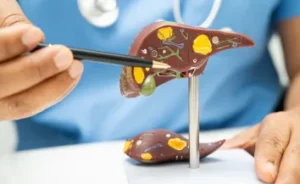
India has emerged as a preferred destination for liver cancer treatment, offering a combination of experienced specialists, advanced treatment modalities, and comparatively affordable care. Patients from India and abroad often choose Indian hospitals due to transparent pricing, multidisciplinary oncology teams, and access to modern technologies such as targeted therapy, immunotherapy, and liver transplantation.
Understanding the cost structure, treatment options, and influencing factors can help patients and families make informed medical decisions.
Cost of Liver Cancer Treatment in India
The cost of liver cancer treatment in India generally begins at around USD 1,200 for basic therapies such as chemotherapy. Advanced treatments—including surgery, liver transplantation, targeted therapy, or immunotherapy—can be significantly higher, depending on the patient’s condition and treatment plan.
Estimated Cost of Liver Cancer Treatments
| Treatment Type | Cost (INR) | Approx. Cost (USD)* |
| Liver Resection / Hepatectomy | 4,50,000 – 7,50,000 | 5,400 – 9,000 |
| Liver Transplant | 20,00,000 – 30,00,000 | 24,000 – 36,000 |
| Radiofrequency Ablation (RFA) | 1,50,000 – 3,00,000 | 1,800 – 3,600 |
| Transarterial Chemoembolization (TACE) | 2,00,000 – 4,00,000 | 2,400 – 4,800 |
| Chemotherapy (Per Cycle) | 1,00,000 – 2,50,000 | 1,200 – 3,000 |
| Targeted Therapy (Monthly) | 2,50,000 – 5,00,000 | 3,000 – 6,000 |
| Immunotherapy (Monthly) | 2,50,000 – 6,00,000 | 3,000 – 7,200 |
*Costs are indicative and may vary based on hospital, city, and individual clinical requirements.
Factors Affecting Liver Cancer Treatment Cost in India
Several medical and logistical factors influence the total cost of treatment:
- Stage of Cancer
Early-stage liver cancer may be managed with surgery or ablation, while advanced disease often requires systemic therapies or transplantation. - Type of Treatment Chosen
Surgery, transplantation, chemotherapy, targeted therapy, and immunotherapy vary widely in cost. - Hospital and City
Premium hospitals in metro cities such as Delhi, Mumbai, and Bengaluru generally charge more than hospitals in smaller cities. - Doctor’s Expertise and Technology Used
Highly experienced liver surgeons and advanced techniques like robotic-assisted surgery increase treatment expenses. - Hospital Stay and Aftercare
ICU care, length of hospitalization, medications, follow-ups, and rehabilitation contribute to overall costs.
Liver Cancer Treatment Outcomes in India
Treatment outcomes for liver cancer depend on early diagnosis, liver function, cancer stage, and overall health. While early-stage liver cancer offers better treatment possibilities, advanced stages require complex, long-term management. Outcomes vary across patients, and treatment success is influenced by timely access to specialized care and adherence to follow-up protocols.
Top Hospitals for Liver Cancer Treatment in India
India has several well-established hospitals offering comprehensive liver cancer care:
- Apollo Hospitals (Chennai, Delhi, Hyderabad)
- Fortis Memorial Research Institute, Gurugram
- Medanta – The Medicity, Gurugram
- Max Super Speciality Hospital, New Delhi
- Kokilaben Dhirubhai Ambani Hospital, Mumbai
- Artemis Hospital, Gurugram
- Paras Hospital, Gurugram
- Marengo Hospitals, Gurugram
Hospital selection depends on treatment type, availability of transplant programs, and specialist expertise.
Understanding Liver Cancer
The liver plays a vital role in detoxification, metabolism, nutrient storage, and digestion. Liver cancer, medically known as hepatocellular carcinoma (HCC), develops when liver cells undergo abnormal genetic changes and begin to grow uncontrollably.
Liver cancer may be:
- Primary, originating in the liver
- Secondary (metastatic), spreading to the liver from other organs
Early detection significantly improves treatment options and long-term outcomes.
Types of Liver Cancer
- Hepatocellular Carcinoma (HCC) – Most common form, often linked to hepatitis B, hepatitis C, cirrhosis, or fatty liver disease
- Intrahepatic Cholangiocarcinoma (ICC) – Arises from bile duct cells within the liver
- Hepatoblastoma – Rare childhood liver cancer, often treatable
- Fibrolamellar Carcinoma (FLC) – Rare form affecting young adults
- Angiosarcoma and Hemangiosarcoma – Rare, aggressive cancers of liver blood vessels
Diagnosis of Liver Cancer
Accurate diagnosis involves a combination of clinical evaluation and investigations, including:
- Blood tests (including liver function tests and tumor markers)
- Ultrasound examination
- CT scan and MRI
- PET scan in selected cases
- Liver biopsy for confirmation and staging
These tests help determine cancer type, stage, and suitability for treatment.
Liver Cancer Treatment Options in India
Treatment plans are personalized based on cancer stage, liver function, and patient health.
Common Treatment Approaches
- Surgical Tumor Removal – For early-stage disease
- Hepatectomy – Partial liver removal while preserving healthy tissue
- Liver Transplantation – For selected patients with early-stage cancer and liver failure
- Ablation Therapies – Heat or cold-based tumor destruction (RFA, cryoablation)
- Embolization Techniques – Including TACE to block tumor blood supply
- Targeted Therapy – Drugs such as sorafenib or lenvatinib
- Immunotherapy – Enhances immune response against cancer
- Chemotherapy – Systemic drug therapy
- Radiation Therapy / CyberKnife – Precision radiation in selected cases
- Palliative Care – Symptom management and quality-of-life support
How Sanjivani Care Supports Liver Cancer Patients in India
Sanjivani Care is a medical tourism and healthcare facilitation organization that assists patients seeking liver cancer treatment in India.
Their support typically includes:
- Helping patients identify appropriate hospitals and liver specialists
- Coordinating medical opinions and treatment planning
- Assisting international patients with travel logistics and documentation
- Providing clear, ethical guidance on treatment pathways and expected costs
Sanjivani Care focuses on patient education, coordination, and continuity of care, while clinical decisions remain with treating doctors.
Medical Disclaimer
This content is for informational purposes only and does not substitute professional medical advice. Liver cancer treatment outcomes vary based on individual medical conditions, cancer stage, and liver function. Patients should consult qualified healthcare professionals for diagnosis and personalized treatment planning. Cost estimates are indicative and may change following clinical evaluation.