
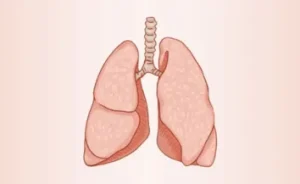
A lung transplant is a highly specialized surgical procedure recommended for patients with end-stage lung disease who no longer respond to medical therapy. Over the last decade, India has developed strong clinical expertise in lung transplantation, supported by advanced intensive care units, experienced transplant teams, and structured post-operative programs.
For many international and domestic patients, India offers a balance of medical quality, affordability, and access to comprehensive transplant care.
What Is the Cost of a Lung Transplant in India?
The average lung transplant cost in India ranges between USD 25,000 and USD 60,000, with most patients spending around USD 30,000, depending on medical complexity and care requirements.
Lung Transplant Cost in Major Indian Cities
| City | Approximate Cost (INR) | Approximate Cost (USD) |
| New Delhi | ₹32,00,000 – ₹48,00,000 | $40,000 – $60,000 |
| Mumbai | ₹32,00,000 – ₹48,00,000 | $40,000 – $60,000 |
| Chennai | ₹32,00,000 – ₹48,00,000 | $40,000 – $60,000 |
| Bengaluru | ₹32,00,000 – ₹48,00,000 | $40,000 – $60,000 |
| Hyderabad | ₹15,50,000 – ₹30,00,000 | $19,000 – $37,000 |
Final costs may vary based on hospital selection, transplant type, ICU stay, and post-operative care needs.
Factors That Affect Lung Transplant Cost in India
Lung transplantation involves multiple stages of care, each contributing to the total cost:
- Type of Transplant: Single-lung, double-lung, or combined heart–lung transplants differ in complexity and duration.
- Organ Retrieval & Preservation: Donor lung recovery, preservation, and transportation logistics significantly influence costs.
- Hospital Infrastructure: Advanced operating theaters, transplant ICUs, and infection-controlled environments increase expenses.
- Medical Team Expertise: Fees for transplant surgeons, anesthesiologists, pulmonologists, and critical care specialists.
- Length of Hospital Stay: Extended ICU monitoring and recovery periods add to the overall cost.
- Medical Complications: Management of infections, rejection episodes, or pre-existing health conditions.
- Rehabilitation & Recovery: Pulmonary rehabilitation, physiotherapy, and follow-up care.
- Post-Transplant Medications: Lifelong immunosuppressive therapy forms a substantial recurring expense.
Careful financial planning and transparent treatment discussions are essential before proceeding.
What Is the Success Rate of Lung Transplants in India?
With advancements in transplant medicine, lung transplant outcomes in India have improved considerably. Reported success rates are approximately 85–87%, depending on patient condition, hospital expertise, and post-transplant adherence.
Many patients experience:
- Improved breathing capacity
- Reduced dependency on oxygen therapy
- Increased physical endurance
- Better overall quality of life
Outcomes vary from person to person and depend heavily on long-term follow-up and medication compliance.
When Is a Lung Transplant Recommended?
A lung transplant may be considered when conventional treatments fail and lung disease progresses to an advanced stage with limited life expectancy.
Conditions That May Require Lung Transplantation
- Chronic Obstructive Pulmonary Disease (COPD)
- Idiopathic Pulmonary Fibrosis (IPF)
- Pulmonary Hypertension
- Cystic Fibrosis
- Bronchiectasis
- Sarcoidosis
- Interstitial Lung Diseases
- Certain heart conditions affecting lung function
Eligibility is determined through detailed evaluation by a multidisciplinary transplant team.
Types of Lung Transplants Performed in India
Single-Lung Transplant
Replacement of one diseased lung, commonly used in COPD or localized lung disease.
Double-Lung Transplant
Both lungs are replaced, often recommended for infections like cystic fibrosis or pulmonary hypertension.
Heart–Lung Transplant
A combined transplant performed when both the heart and lungs are severely affected.
Lobar Lung Transplant
Transplantation of lung lobes instead of whole lungs, sometimes used for smaller patients or specific conditions.
Each approach is selected based on disease severity, anatomy, and overall health status.
Pre-Transplant Evaluation Before Lung Transplant
Before listing a patient for lung transplantation, extensive testing is required:
- Pulmonary Function Tests (PFTs)
- Blood investigations and infection screening
- Chest X-ray and CT scans
- Echocardiography and cardiac stress testing
- Arterial Blood Gas (ABG) analysis
- Bone density evaluation
- Psychological assessment
- Nutritional and rehabilitation assessment
These evaluations ensure transplant suitability and help reduce surgical risks.
Post-Lung Transplant Care and Recovery
Recovery after lung transplantation is a structured, long-term process:
- Hospital Stay: Typically 2–3 weeks with close ICU monitoring
- Medications: Lifelong immunosuppressive and infection-prevention drugs
- Infection Prevention: Strict hygiene, mask use, and limited exposure
- Rehabilitation: Pulmonary physiotherapy and gradual physical activity
- Dietary Guidance: Balanced nutrition and medication-safe food choices
- Regular Follow-Ups: Lung function tests and medication adjustments
- Lifestyle Changes: Smoking cessation and avoidance of pollutants
- Emotional Support: Counseling and support groups when needed
Prompt reporting of symptoms such as fever, breathlessness, or chest pain is critical.
Why India Is a Preferred Destination for Lung Transplants
India offers several advantages for lung transplant patients:
- Experienced transplant surgeons and pulmonologists
- Advanced surgical and critical care facilities
- Lower treatment costs compared to many countries
- Growing organ donation and transplant programs
- Dedicated services for international patients
This combination makes India a reliable choice for complex transplant care.
How Sanjivani Care Supports Lung Transplant Patients in India
Sanjivani Care is a trusted medical tourism and healthcare facilitation company in India that supports patients seeking lung transplant treatment with clarity and coordination.
Their role typically includes:
- Assisting patients in identifying suitable transplant hospitals and specialists
- Coordinating medical records, evaluations, and treatment planning
- Supporting international patients with travel, accommodation, and hospital logistics
- Ensuring continuity of care throughout the treatment journey
Sanjivani Care focuses on ethical guidance, transparency, and patient-centered coordination—without unrealistic claims or guarantees.
Medical Disclaimer
This information is intended for educational purposes only and does not replace professional medical advice. Lung transplant eligibility, outcomes, and costs vary by individual medical condition. Always consult a qualified pulmonologist or transplant specialist for personalized evaluation and treatment planning.