
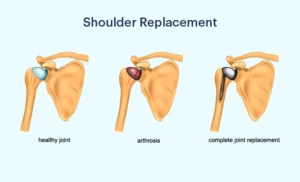
Shoulder replacement surgery is a specialized orthopedic procedure performed to relieve chronic shoulder pain, restore joint movement, and improve daily functioning when conservative treatments are no longer effective. The surgery involves replacing damaged parts of the shoulder joint with artificial implants designed to replicate natural movement.
In India, shoulder replacement surgery is widely performed across accredited hospitals with experienced orthopedic surgeons and modern surgical facilities. The overall cost typically ranges from USD 4,000 to USD 10,000, depending on the type of replacement, implant used, hospital setting, and patient-specific medical factors.
This guide explains procedure-wise pricing, factors affecting cost, treatment stages, and important considerations for international patients, helping individuals make informed and responsible healthcare decisions.
How Much Does Shoulder Replacement Surgery Cost in India?
The cost of shoulder replacement surgery varies primarily based on the complexity of the procedure and whether it is a first-time or revision surgery.
Estimated Cost by Type of Shoulder Replacement Surgery
| Surgery Type | Approximate Cost (USD) | Estimated Cost (INR) |
| Total Shoulder Replacement | $5,000 – $7,500 | ₹4,00,000 – ₹6,00,000 |
| Reverse Shoulder Replacement | $6,000 – $9,000 | ₹4,80,000 – ₹7,20,000 |
| Partial (Hemi) Shoulder Replacement | $4,000 – $6,000 | ₹3,20,000 – ₹4,80,000 |
| Revision Shoulder Replacement | $7,000 – $10,000 | ₹5,60,000 – ₹8,00,000 |
Important: These figures are indicative averages. Final costs are confirmed only after clinical evaluation, imaging, and implant selection.
Key Factors That Affect Shoulder Replacement Surgery Cost
Several clinical and non-clinical factors influence the final treatment expense:
- Type of Procedure: Total, reverse, partial, or revision surgeries differ significantly in complexity and resource use.
- Implant Material: Prosthetics made from metal alloys, polyethylene, or advanced composites vary in cost and durability.
- Surgical Technique: Minimally invasive approaches may affect surgical time, recovery, and overall pricing.
- Surgeon’s Experience: Senior orthopedic surgeons or shoulder specialists may charge higher professional fees.
- Hospital Type: Private multispecialty hospitals generally have higher charges than government or trust hospitals.
- City of Treatment: Costs can vary between metro cities and smaller urban centers due to infrastructure and operating expenses.
- Length of Hospital Stay: Room category, ICU care, and recovery duration impact total billing.
- Patient Health Status: Conditions such as diabetes, heart disease, or obesity may require additional monitoring.
- Post-Surgical Care: Physiotherapy, medications, follow-up consultations, and imaging contribute to overall cost.
What Is Shoulder Replacement Surgery?
Shoulder replacement surgery, also known as shoulder arthroplasty, involves replacing damaged joint surfaces with artificial components. The shoulder is a ball-and-socket joint that allows a wide range of motion, making it particularly susceptible to wear, injury, and degenerative conditions.
When pain and stiffness severely limit daily activities and non-surgical treatments no longer provide relief, shoulder replacement surgery may be recommended to restore comfort and function.
Types of Shoulder Replacement Surgery Performed in India
Total Shoulder Replacement
Both the ball (humeral head) and socket (glenoid) are replaced. Commonly recommended for advanced arthritis.
Reverse Shoulder Replacement
The ball and socket positions are reversed. This option is suitable for patients with severe rotator cuff damage.
Partial Shoulder Replacement
Only the damaged humeral head is replaced, preserving the natural socket.
Revision Shoulder Replacement
Performed to correct or replace a previously implanted shoulder prosthesis due to wear, instability, or infection.
Conditions That May Require Shoulder Replacement Surgery
- Osteoarthritis and degenerative joint disease
- Rheumatoid arthritis
- Rotator cuff tear arthropathy
- Complex shoulder fractures
- Avascular necrosis (bone death due to poor blood supply)
How Shoulder Replacement Surgery Is Performed
Pre-Surgical Evaluation
- Medical history and physical examination
- X-rays, CT scans, or MRI imaging
- Blood tests and anesthesia assessment
- Detailed discussion of risks, recovery, and expectations
Surgical Procedure
- Performed under general anesthesia
- Removal of damaged bone and cartilage
- Placement of prosthetic joint components
- Alignment and stability testing
- Wound closure and sterile dressing
Post-Surgical Care and Rehabilitation
- Pain management and monitoring
- Hospital stay typically ranging from 1–3 days
- Gradual physiotherapy to restore movement and strength
- Follow-up imaging to assess implant positioning
- Lifestyle guidance during recovery
Cost Perspective: India vs Other Countries
Shoulder replacement surgery costs in India are generally lower than in countries such as the US, UK, or Australia. These differences reflect variations in healthcare systems, insurance structures, and operational costs rather than differences in clinical standards. Many Indian hospitals follow internationally accepted treatment protocols and safety guidelines.
International Patient Considerations
Patients traveling to India should plan for:
- Medical visa processing
- Hospital stay and rehabilitation duration
- Accommodation and local transportation
- Caregiver expenses
- Post-discharge medications and physiotherapy
- Follow-up consultations after returning home
Important Medical Disclaimer
This content is intended for educational and informational purposes only and does not replace professional medical advice, diagnosis, or treatment. Treatment decisions must always be made in consultation with qualified healthcare professionals based on individual clinical evaluation.