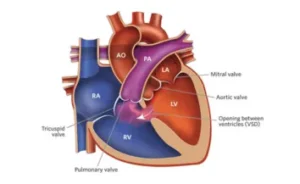
Ventricular Septal Defect (VSD) is a congenital heart condition in which there is an abnormal opening in the wall (septum) separating the heart’s two lower chambers (ventricles). This opening allows oxygen-rich blood to mix with oxygen-poor blood, placing additional strain on the heart and lungs.
If left untreated, moderate to large VSDs can lead to complications such as heart failure, pulmonary hypertension, recurrent respiratory infections, and delayed growth in children. Surgical correction is a well-established and effective treatment option, and India has become a preferred destination for VSD surgery due to advanced pediatric and adult cardiac care, skilled surgeons, and cost-effective treatment options.
Cost of VSD Surgery in India
The cost of VSD surgery in India typically ranges from USD 2,500 to USD 6,000, depending on the surgical technique, hospital infrastructure, patient age, and overall medical condition.
Approximate Cost Breakdown
| Type of Treatment | Cost (INR) | Cost (USD) |
| Open-Heart VSD Surgery | ₹2,00,000 – ₹5,00,000 | $2,500 – $6,000 |
| Minimally Invasive / Device Closure | ₹2,50,000 – ₹6,00,000 | $3,000 – $7,500 |
| Post-Operative Care | ₹50,000 – ₹1,00,000 | $600 – $1,200 |
| Consultations & Diagnostics | ₹5,000 – ₹15,000 | $60 – $180 |
Actual costs may vary based on clinical findings, hospital policies, and recovery requirements.
Factors Affecting the Cost of VSD Surgery in India
Several factors influence the total treatment expense:
- Type of Surgical Approach
Open-heart surgery and catheter-based closure differ in cost and recovery time. - Hospital Location
Metropolitan cities often have higher costs due to advanced infrastructure and specialist availability. - Surgeon’s Experience
Pediatric and congenital cardiac specialists with extensive expertise may have higher professional fees. - Patient’s Age and Condition
Infants, children, and adults may require different surgical planning and monitoring. - Length of Hospital Stay
Extended ICU or ward stay can increase total cost. - Post-Surgical Follow-Up
Medications, rehabilitation, and routine cardiac evaluations add to overall expenses.
Symptoms of Ventricular Septal Defect (VSD)
Symptoms vary depending on the size and location of the defect.
Common Symptoms Include:
- Shortness of breath, especially during feeding or activity
- Easy fatigue or reduced stamina
- Poor weight gain or delayed growth in children
- Heart murmur detected during routine examination
- Frequent chest or respiratory infections
Small VSDs may remain asymptomatic and only require monitoring, while larger defects usually need surgical intervention.
How Is VSD Surgery Performed?
The goal of VSD surgery is to close the opening between the ventricles and restore normal blood flow.
Surgical Approaches
Open-Heart Surgery
- Chest incision to access the heart
- Temporary use of a heart-lung machine
- Defect closed using sutures or a patch
- Most commonly used for large or complex VSDs
Minimally Invasive / Catheter-Based Closure
- Device delivered through a catheter via a blood vessel
- Smaller incision and faster recovery
- Suitable for selected patients based on defect size and location
The choice of method depends on patient age, defect characteristics, and cardiologist recommendation.
Pre-Operative Evaluation
Before surgery, patients undergo comprehensive assessment, which may include:
- Detailed medical history review
- Physical examination and heart murmur evaluation
- Echocardiography (heart ultrasound)
- Electrocardiogram (ECG)
- Chest X-ray or MRI (if required)
- Blood tests to assess overall health
The surgical team explains the procedure, potential risks, and recovery expectations before obtaining informed consent.
Post-Operative Care and Recovery
After surgery, patients are closely monitored to ensure safe recovery.
Immediate Post-Surgery Care
- ICU monitoring for the first 24–72 hours
- Continuous heart rhythm and oxygen monitoring
Ongoing Recovery
- Pain management and infection prevention
- Gradual return to normal physical activity
- Prescribed medications to support heart function
- Regular follow-up visits with a cardiologist
Most patients experience significant improvement in symptoms and quality of life following successful VSD repair.
Why Choose India for VSD Surgery?
India offers several advantages for congenital heart surgery:
- Highly experienced pediatric and adult cardiac surgeons
- Advanced cardiac ICUs and diagnostic facilities
- Availability of both open and minimally invasive techniques
- Significantly lower treatment costs compared to many countries
- Well-developed support systems for international patients
How Sanjivani Care Supports VSD Surgery Patients in India
Sanjivani Care is a trusted medical tourism and healthcare facilitation company that assists patients seeking VSD surgery in India by:
- Helping patients identify suitable cardiac hospitals and specialists
- Coordinating medical evaluations and treatment planning
- Assisting international patients with medical visas, travel, and accommodation
- Providing transparent guidance on procedures and estimated costs
- Supporting post-treatment follow-up coordination
Sanjivani Care’s role is focused on patient support and coordination, while all medical decisions and surgical procedures are carried out by licensed cardiologists and cardiac surgeons.
Medical Disclaimer
This content is for informational purposes only and does not replace professional medical advice. The need for VSD surgery, treatment approach, risks, outcomes, and costs vary by individual. Always consult a qualified cardiologist for personalized evaluation and treatment planning.